

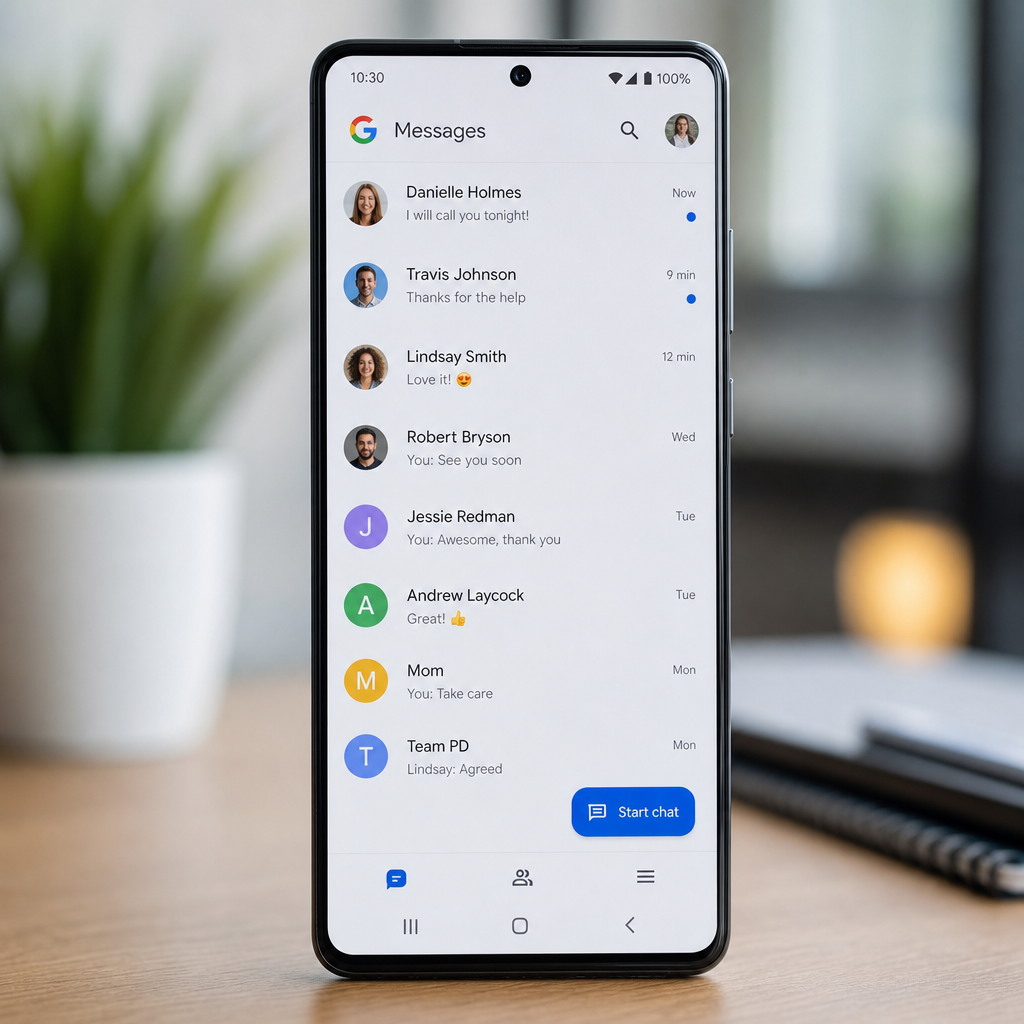
Samsung has announced a major shift in its messaging services by phasing out its proprietary Messages app, opting for an integration with Google’s messaging solutions. The decision marks a significant change in strategy for the South Korean tech giant, aligning its services more closely with the Android ecosystem. This move underlines the company's adaptation to the evolving market demand for more integrated and unified communication tools.
The transition to Google’s messaging platform will provide Samsung users with enhanced features such as end-to-end encryption, better syncing across devices, and more seamless integration with other Google services. For users in the Philippines, this change means access to a more cohesive set of tools that promise improved privacy and functionality.
The phase-out will occur gradually, with Samsung providing users ample time and support to transition to the Google Messages app. This strategic partnership signifies a step further in the collaboration between Samsung and Google to streamline user experience within the Android operating system. Particularly for Filipino tech users, this shift will simplify the process of cross-device communication, maintaining consistency and reliability.
Samsung's decision also aligns with the increasing demand for more standardized solutions in the mobile communications industry. By adopting Google’s messaging platform, Samsung can offer a product that benefits from the development focus and innovation driven by one of the world’s leading tech companies.
Industry observers note that this move will likely enhance user satisfaction and loyalty, as it addresses various user concerns about security and app functionality. With Google’s continued investment in improving its messaging capabilities, Samsung users can expect regular updates and feature enhancements.
The collaboration between Samsung and Google highlights the importance of partnerships in the rapidly evolving tech landscape. For Filipino consumers, this integration represents a move towards more reliable and versatile communication options that are in line with global tech developments.