
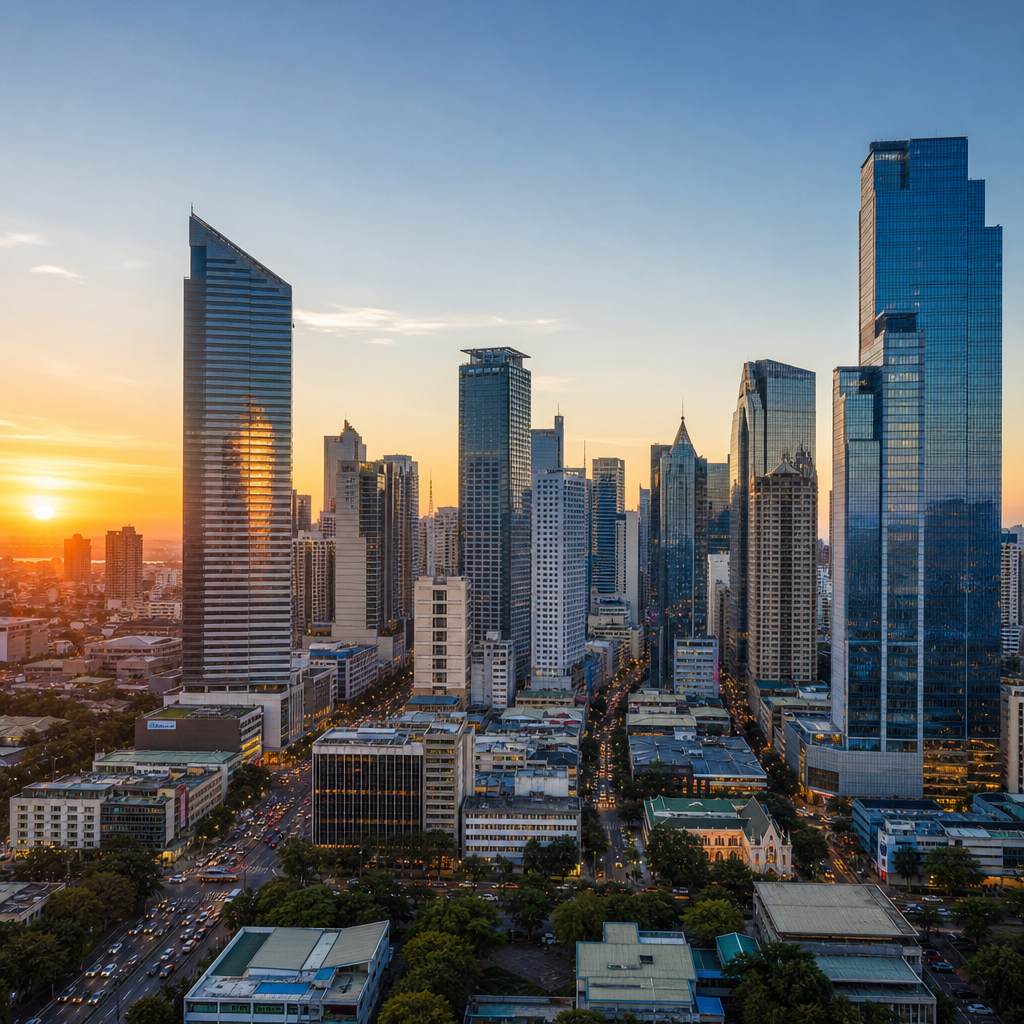
The Philippines has officially ascended to the status of an 'upper-middle-income' country, according to new classifications by global economic standards. This significant development not only marks a major milestone in the nation’s economic journey but also paves the way for numerous potential benefits and opportunities for the country's populace. The reclassification comes after sustained efforts towards economic reforms and growth, reflective of the country's increasing gross national income per capita and improved socio-economic indicators.
Achieving this status is a critical juncture for the Philippines, as it suggests a more robust economic environment capable of sustaining substantial development projects and reforms. This new classification is anticipated to enhance the nation's profile among international investors and trading partners, who hold high regard for countries exhibiting economic resilience and potential. Consequently, this could lead to a surge in foreign direct investments and a wider array of trade agreements, driving further economic momentum.
Another benefit of this elevation in status includes potentially reduced borrowing costs on international loans. Countries in the upper-middle-income bracket often receive better credit ratings, thereby increasing access to lower interest rates. This financial advantage could allow the Philippines to channel more resources into crucial infrastructure projects and social programs, thereby boosting overall economic productivity and fostering better living standards.
The impact of the new classification is particularly significant for sectors such as manufacturing, services, and technology, where growth prospects are notably positive. These sectors, vital to the nation’s GDP, may see accelerated expansion and innovation, which in turn could create more job opportunities and drive technological advancements across various industries.
However, with the new status come challenges and expectations. The Philippines must now navigate issues related to income inequality and ensure that the gains from economic growth are equitably distributed across all segments of society. Addressing these challenges is vital in maintaining sustainable growth and avoiding the pitfalls that sometimes accompany such economic transitions.
In the realm of public policy, this reclassification necessitates a reassessment of strategies to ensure they align with the evolving socio-economic landscape. The government's commitment to inclusive growth will be crucial in this regard, as it seeks to implement policies that not only stimulate economic activity but also uplift marginalized communities nationwide. With the Philippines at this pivotal economic threshold, the coming years will reveal how the nation capitalizes on its newfound status for holistic and sustainable development.