

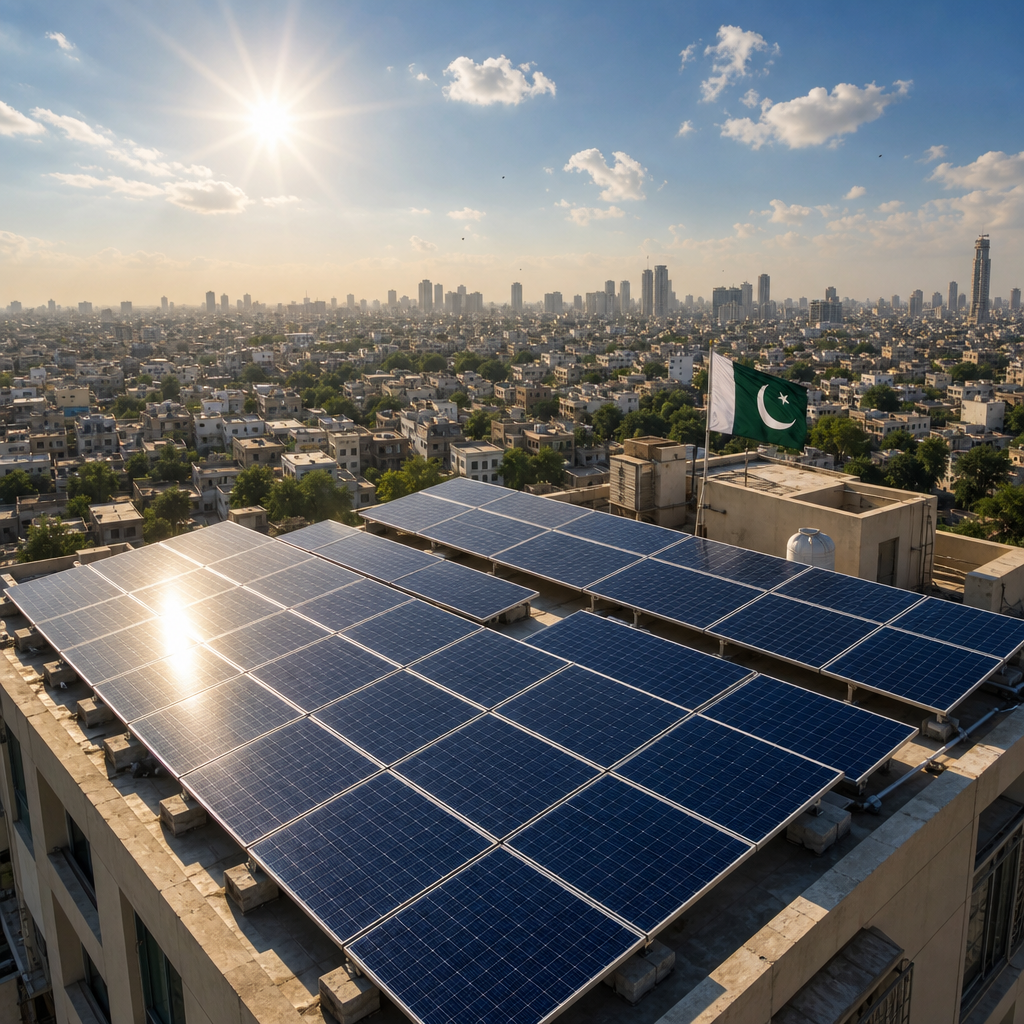
Pakistan is making significant strides in its approach to energy sustainability by shifting towards rooftop solar power. Against a backdrop of ongoing energy crises that have affected both economic output and daily life, this pivot towards solar energy presents an innovative and practical solution to the challenges of limited resources and increasing demand. The country's focus on rooftop installations leverages abundant sunlight and available building infrastructure, making it an efficient choice.
This approach might offer a notable case study for other countries facing similar difficulties, such as the Philippines, where energy security remains a pressing issue. The advantages of rooftop solar are apparent in Pakistan's ability to reduce dependence on traditional energy sources and concurrently decrease carbon emissions. The strategic shift not only supports environmental goals but also relieves strain on conventional power grids, which often struggle to meet peak demand.
Furthermore, the government's policies facilitating the adoption of solar technology have been instrumental. Incentives and subsidies aimed at reducing initial costs, alongside streamlined regulatory processes, have encouraged both residential and commercial entities to invest in solar infrastructure. This proactive governmental approach could potentially be adapted to the Philippine context, where the tropical climate offers abundant solar potential yet remains largely untapped.
The economic ramifications for Pakistan have been positive, with solar energy offering cost savings in electricity that can be redirected into other areas of development. This transformation illustrates a model whereby investment in renewable energy infrastructure can also foster economic resilience and sustainability.
For the Philippines, this example serves as an interesting blueprint. As an archipelago with significant geographic advantages for solar power generation, the country can explore similar policy frameworks that support the widespread adoption of rooftop solar systems. Collaborating with international partners and local stakeholders would be essential in customizing solutions that address specific needs based on the Filipino socio-economic landscape.
By observing Pakistan’s journey towards solar independence, the Philippines can glean insights on overcoming common barriers related to cost, technological adaptation, and regulatory challenges. In doing so, it can progress towards a more sustainable future, mitigating the impacts of energy insecurity while contributing to global environmental efforts.