
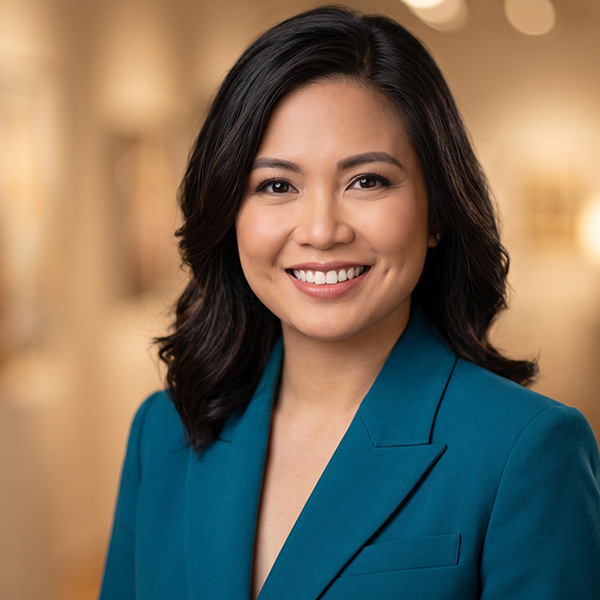
Autism diagnoses among women in the Philippines are increasing. This rise signals a shift in societal awareness. Experts suggest this change is long overdue. Historically, autism often went unnoticed in women. Dr. Maria Santos is a renowned psychiatrist. They shares her insights. She emphasizes the unique presentation of autism in women.
Women often display different symptoms than men. Subtle social challenges mislead many practitioners. They sometimes misdiagnose or overlook autism. Eva De Guzman is a Manila resident. They shares her experience. She received an autism diagnosis at age 32. Her journey inspired others seeking answers.
Slowly, perceptions are evolving. Schools are adapting to these needs. New programs address challenges women with autism face. Teachers receive much-needed training. The Department of Education supports this initiative. Awareness campaigns spread updated information to the public.
Families play a key role too. They are learning to understand autism better. Local support groups gain momentum in Manila and Cebu. These groups offer a safe space for sharing experiences.
Media coverage of autism has expanded. Social media platforms contribute significantly. Hashtags like AutismAwareness become popular. Awareness spreads quickly among younger demographics. This trend helps generate dialogue between families and experts.
Professional opportunities also evolve. Employers show interest in creating autism-inclusive workplaces. Businesses endeavor to accommodate varied needs. Legal frameworks are being considered. These initiatives aim to promote inclusivity.
Improved diagnostic criteria aid this change. Diagnostic tools now consider gender differences. Dr. Santos advocates for continuous research. She calls for more resources and focus on autism in women. She believes ongoing education is vital.
These developments bring hope to many families. Increased understanding can enhance lives significantly. Autism awareness and education remain urgent and essential needs.