
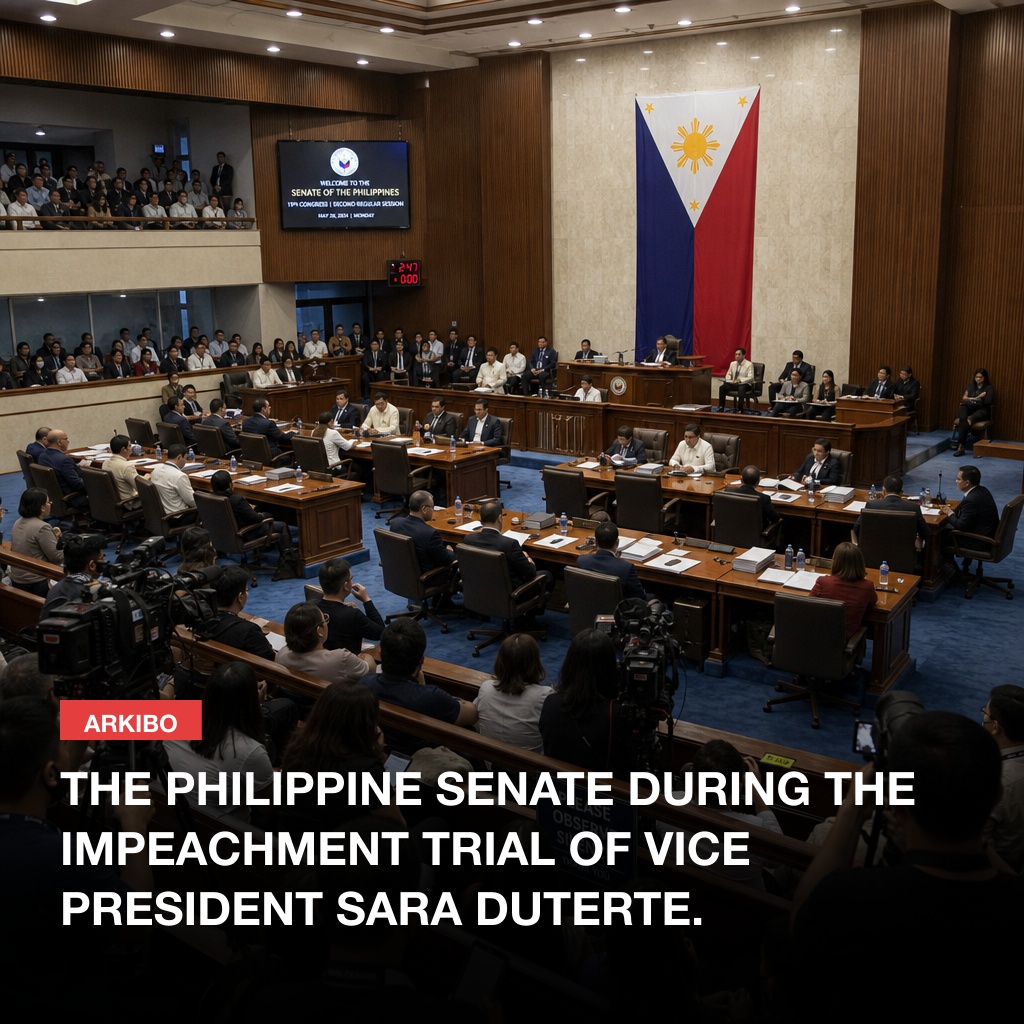
In Manila, the impeachment trial of Vice President Sara Duterte has officially commenced in the Philippine Senate. This highly anticipated proceeding follows months of investigation and heated nation-wide debates regarding the potential removal of the sitting vice president. The charges at the center of the trial involve allegations of corruption and abuse of power, raising serious questions about governance and accountability at the highest level of government.
Senators acting as jurors and Chief Justice Reynaldo Santos presiding, the trial has drawn immense attention from both the public and international observers. Central to the proceedings are testimonies from several key witnesses. These testimonies have aimed to shed light on the specific actions and decisions of Vice President Duterte during her term that are alleged to have breached constitutional obligations.
Throughout the trial, defense attorneys representing Vice President Duterte have staunchly defended her actions. They have demanded rigorous standards of proof from the prosecution to justify the charges brought against her. Defense arguments have so far centered around contesting the credibility of the evidence and witnesses presented, suggesting political motivations behind the trial itself.
Prosecutors, on the other hand, have maintained that their case is backed by substantial documentary proof and corroborated by reliable sources. They argue that the allegations signify a breach of public trust deserving of impeachment under the provisions of the Philippine Constitution. Details of financial transactions, official correspondences, and internal memos have been exhibited as part of their evidentiary submissions.
The trial has not been without its controversies. Public response has been sharply divided, with supporters of Vice President Duterte asserting that the charges are politically motivated while opposition voices affirm the importance of accountability. The outcome of the trial is likely to have a lasting impact on the political landscape, influencing both upcoming policy directions and the country's standing in global circles.
Senate Majority Leader Alfredo Lorenzo has called for an unbiased proceeding, emphasizing the gravity of the situation and respecting due process as dictated by law. The impeachment trial is being streamed live, allowing Filipino citizens to follow the developments closely online, amplifying the scrutiny and transparency of the process.
As the trial proceeds, legal experts predict a contentious journey with critical implications for governance. The final outcome remains uncertain, hinging heavily on the strength and perception of evidence presented in the following weeks. Observers are poised to see how this landmark case unfolds in shaping the future political dynamics of the Philippines.